



Float switches play an important role in pumping systems used to prevent flooding in various applications and industries. Typically, a float switch activates a pump system that relocates water (or other liquid) when it reaches a pre-indicated level.
But sometimes, things don’t go as planned. And that’s what occurred back in October of 2017 when a flood at the railway tunnels between Bishan and Braddell stations in Singapore made news headlines worldwide. The incident disrupted train service for more than 200,000 commuters for two days and created extensive damage, repair costs and loss of business for rail operator SMRT.
While preventing these kinds of mishaps is sometimes impossible, in this particular case, a faulty float switch was ultimately found to be the reason for the flooding. Reports have also pointed to improper maintenance of equipment, operator error and even sludge build up in the tank that leads to the incident.
Proper Selection
Picking the right float switch for the job at hand is a critical factor- especially when being used for imperative jobs like keeping tunnels free of floodwaters. If the float switch was stuck in sludge, it may have been impossible to activate the pump or the piping system could have been hindered.
In an industry that relies on water tanks and float switches, you need to have the best switches available to ensure reliability and durability. Switches made of various materials and mounted in differing ways (horizontal and vertical float switches) are all important considerations to understand when opting for use.
Plastic side-mounted switches, for example, can be used in opened and closed configurations or tank wall options can be mounted horizontally and offer great dependability.
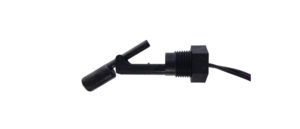
SMD Fluid Controls’ FH07 and FH08 horizontal float switches are made from durable polypropylene or nylon with easy side mounting through either an NPT fitting or internal through-hole.
Appropriate Maintenance
Like anything however, it’s not enough to rely solely on the float switch to continue to function. As the float switch is likely repeating the same operation hundreds of thousands of times, it will eventually need to be replaced. The best way to know if there is an issue is to check regularly to ensure they are working properly.
Other issues like motor failures, malfunction, a buildup of foreign matter – like the sludge found at the bottom of the tanks in this particular occurrence – can all hinder the proper function of a float switch and pump system. In applications such as the railway tunnels, this maintenance measure should be even more rigorous.