



 Float switches and liquid level sensors are used in all kinds of applications, from chemical tanks to sump pumps and more. Now, we’re taking a closer look at how these devices impact hydroponics, which involves growing plants with the use of water and no soil.
What is Hydroponics?
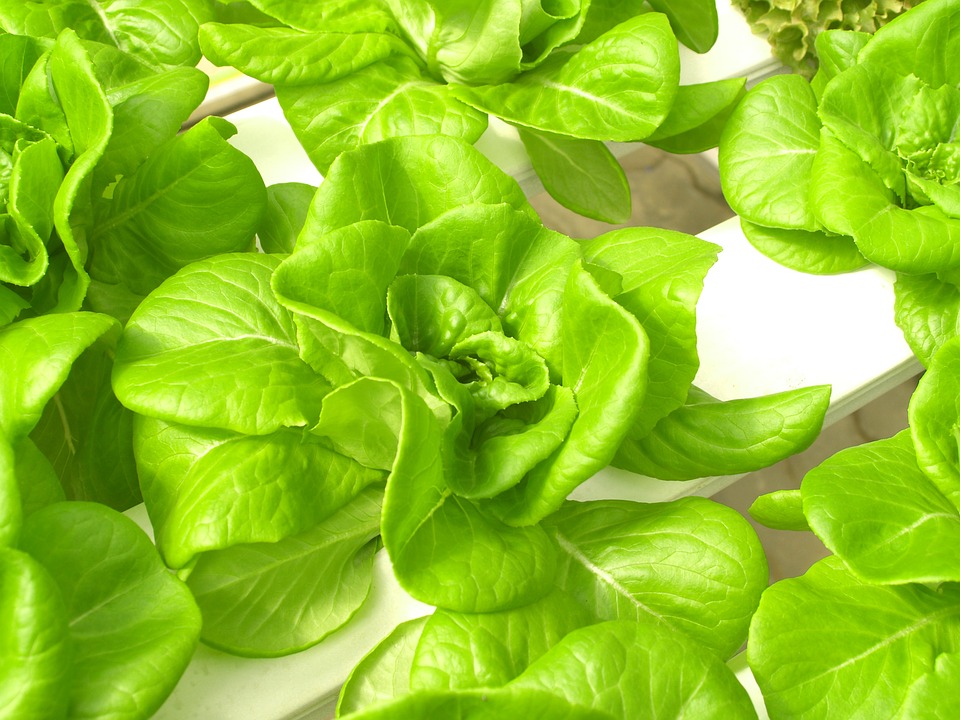
Hydroponics is a subset of hydroculture that is being used more and more in the modern-day. With the rise of the marijuana industry along with farming endeavors at home, Americans are becoming more interested in this way to grow plants. Hydroponics is effectively a method of growing plants without the use of soil. Instead, you grow plants with the use of mineral solutions in a water solvent. Plants are grown with their roots exposed to this mineral solution directly. Another method is allowing the roots to be supported by perlite, gravel, or another inert medium and also exposed to the solution.
There are several different techniques that can be used in hydroponics. One is a stationary body of water, while other techniques involve a continuous flow. This water is pumped past plants and nutrient concentrations are usually determined in a large storage tank.
Float Switches and Liquid Level Sensors
 It shouldn’t be all that surprising that hydroponics largely relies on accurate levels of liquid. While each hydroponics system is different depending on the types of plants being grown, many systems that deal with a constant level of water do need float switches to determine when more water needs to be pumped into the system.
In addition, these indicators are important for your reservoir. You’ll size your reservoir depending on what type of plants you’re growing, as well as how many you’re growing. Make sure to use filtered water when you’re setting up your system, as well. It can make a huge difference when it comes to the health of your plants.