



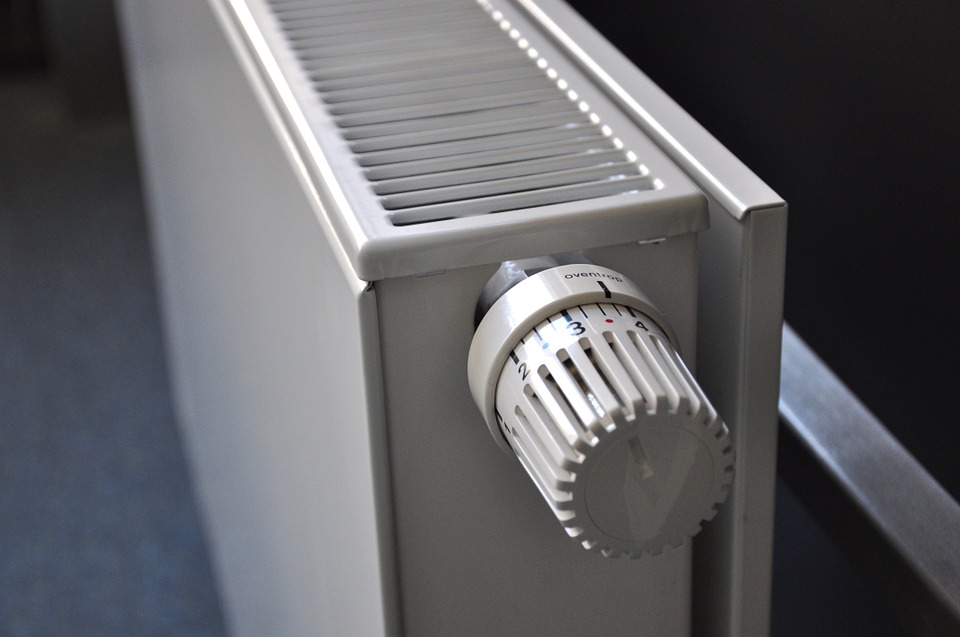
 It’s getting cold outside, which means that if you have a radiator in your home, it’s probably running. But how exactly does your radiator work, and what exactly is happening when you turn it on? We’ve broken it down to not only show you what happens but also to show you the components that go into your radiator to help keep your home toasty and warm.
How Radiators Work
There are two types of radiator heaters: electric radiators and steam radiators. In this case, we’re focusing on steam radiators, which have been around since the mid-1800s as a process to heat homes and businesses.
Steam radiators work by boiling water to create steam. The boiler itself contains a float switch that can “tell” when the system is full. During operation, the boiler heats water until it forms into steam. This steam then travels up through a vertical pipe to the radiator. This then transfers thermal energy through the fins of the radiator. As the heat is lost from the steam, it slowly begins to turn back into water and then flows back down into the boiler before heating once again.
Balancing the System for Radiators
Radiators function due to the fact that they’re a balanced system. This balance is achieved by controlling how fast hot water is able to flow through each radiator. In order to make sure the heat is properly transferring through each radiator in your home, check the temperature of each radiator. If the temperature drops below 10 degrees Celsius in a radiator, then the water is taking too long to travel through the radiator. Open the valve of the radiator a bit more to let the water flow into the radiator faster.