



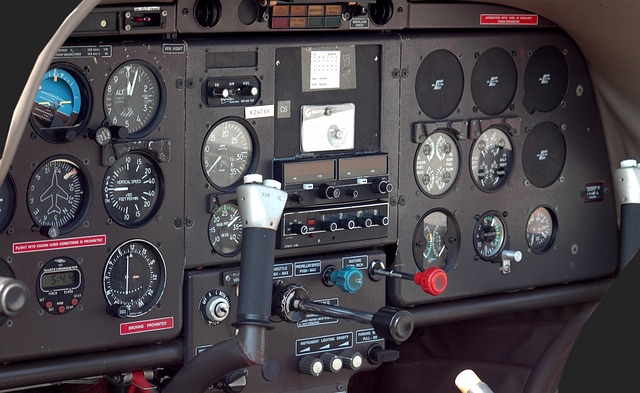
 When you’re flying in a plane, you probably don’t think about the various components that help the plane remain airborne. The fact of the matter is, though, that there are many small parts that help out when it comes to flying an aircraft. Now, we’re taking a closer look at how liquid level sensors and other sensors play major roles when it comes to how an aircraft functions.
Liquid Level Sensors and Temperature Sensors
In aircraft, liquid level sensors can be found in thermowells, and also in the reservoirs, tanks, sumps, and gearboxes. The sensors are actually an important part of interfacing with the aircraft. They usually connect to multiple interface elements, which then connect to the onboard display units in the cockpit. This, in particular, helps pilots know exactly how oil levels are doing, among other things.
Temperature sensors also play an important role. They measure the temperature of various engine parts in the aircraft. This allows a pilot to see if there is anything wrong with the aircraft when areas become too hot or too cold.
Flow Sensors in a Plane
Flow sensors are also used in airplanes and are often used in combination with the liquid level sensors. Flow sensors are devices that, as the name suggests, help monitor the flow rates of liquid. In this case, the flow sensors in a plane monitors the flow rate of fuel or oil. It’s mounted within a thermowell, and may also contain an electronics unit that then connects to a Digital EGT gauge. Usually, the sensor is installed into a pipe that carries the liquid for which the flow rate is being measured.
Airplane Pressure Sensors
Airplanes also have pressure sensors. These are used to measure the pressure that is either above or below a pre-set figure that is at the sensing location. These sensors can be found in ducts, pipes, tanks, sumps, reservoirs, and even gearboxes in an aircraft. Like the other sensors mentioned, they help pilots monitor how well the airplane functions.
The next time you’re flying in an aircraft, remember that these sensors make up a vital part of how the plane functions. If you’re interested in learning more about different pressure and liquid sensors, or if you want to get custom sensors for your own needs