



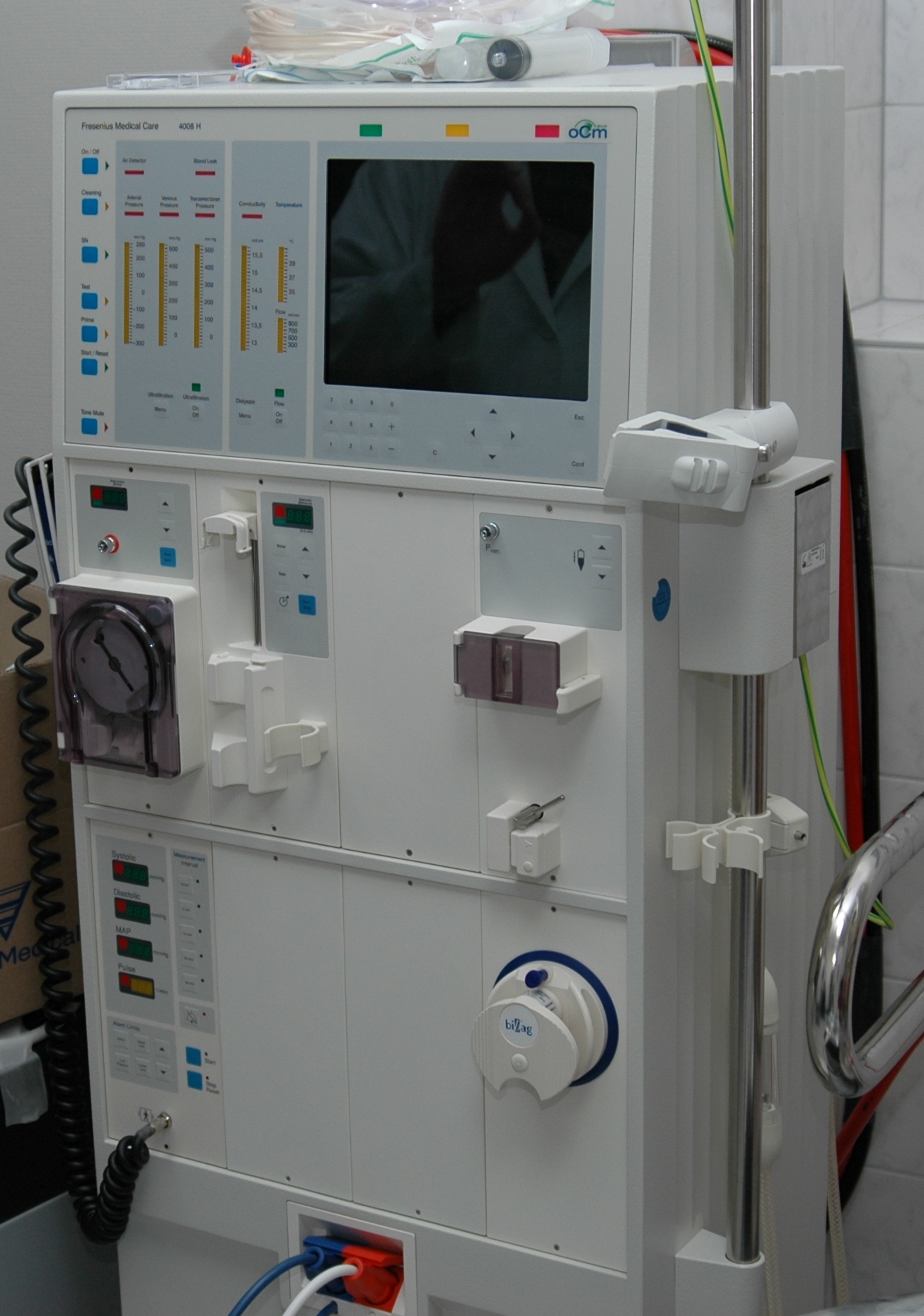
 Of all the medical advances made over the last century, few are as impressive as kidney dialysis with hemodialysis. In cases of chronic or acute kidney failure, hemodialysis machines replicate the function of healthy kidneys, filtering the blood and removing deadly toxins from the body. With as many as 26 million Americans currently having some form of chronic kidney disease, the importance of this medical breakthrough in prolonging and improving quality of life while reducing the need for transplants is difficult to understate.
Accurate medical device sensors are absolutely critical to the proper functioning of hemodialysis machines, ensuring proper flow, pressure, and temperature of blood and water, in addition to keeping the machine itself in working condition.
How Do Dialysis Machines Work?
Hemodialysis machines work by taking the patient’s blood, mixing it with a specialized fluid called dialysate, and pumping it through an artificial kidney called a dialyzer. The dialysate possesses properties that filter and remove waste and other toxins from the blood.
The machine contains a semi-permeable dialysis membrane that allows for diffusion and osmosis of waste solids. Blood is pumped in one direction on one side of the membrane, while the dialysate is pumped in the opposite direction on the other side. Hydrostatic pressure causes the toxins and water to move from the blood to the dialysate on the other side of the membrane. The filtered blood is then mixed with sterile water and sent back into the patient’s body.
The Role of Accurate Sensors
The kidney dialysis procedure is an extremely precise one. Fluid temperature, pressure, force, and other variables must be accurately and continuously monitored during the dialysis process in order to ensure the effectiveness of the procedure and overall patient safety.
Modern dialysis machines often feature loud alarms to alert technicians when pressure or other readings go out of safe ranges. This way the machine can be stopped or adjusted to keep patients safe. (In fact, “why are there so many alarms?” is one of the more frequently asked questions by dialysis patients.) One particularly important problem to watch out for is air getting into the blood through the tubing. Machines have air traps to prevent this from happening, but in case air makes it through the system anyway, a specialized sensor will sound an alarm and stop the pump before excess air bubbles can enter the patient’s bloodstream.